Tidal Causeway, the Island After Five — Holiday Cottages on Holy Island

Holiday cottages Holy Island are rare — the island has fewer than a dozen self-catering properties. Causeway crossing times first. Northumberland County Council publishes them online; they change daily with the tides. Several cars per season ignore the schedule, drive into a rising tide, and get stranded. The rescue service is professional about it. The car isn’t coming back dry. Check before travelling.
Around 160 permanent residents. Properties to let: a very small number. August goes months in advance. The village: a pub, a café, a mead tasting room, a castle, a priory. That priory has been standing in various states since 635 AD. The Lindisfarne Gospels were produced here, around 715 AD — they’re in the British Library now, reckoned among the finest illuminated manuscripts in Western art. The Viking raids began here. 793 AD, Lindisfarne, first chapter of most histories on the subject.
What sets a holiday cottage on Holy Island apart from a day trip: the coaches leave around 5pm. After that, the island belongs to whoever is staying. The priory in evening light. The castle path without crowds. Dinner at the pub when the car parks have emptied. Grey seals haul up on the beaches — October through December, pupping season. A 3,541-hectare national nature reserve wraps the island. Wading birds and wildfowl. Year-round.
Holiday cottages Holy Island also suit guests who want base access to the wider Northumberland coast — Bamburgh Castle is 20 minutes south, Seahouses and the Farne Islands are 30 minutes, and the dunes at Ross Back Sands sit immediately to the south of the causeway. The combination of this specific island and its immediate coastline makes holiday cottages Holy Island one of the most distinct coastal stays in northern England.
Browse holiday cottages on Holy Island below — filter by sleeps, pets, hot tubs, and more.
[hc-listings]
What to Expect from Holiday Cottages Holy Island
Holiday cottages Holy Island range from compact two-person retreats to larger family properties sleeping six or more. Most are traditional stone builds in or around the village, within ten minutes’ walk of the priory, castle, and the pub. A smaller number sit on the western edge of the island with views over the mudflats toward the mainland.
The appeal of holiday cottages Holy Island over a day trip is straightforward: the island empties by late afternoon. Coaches and day visitors leave before 5pm on most days. What’s left after that — the priory at golden hour, the castle path without foot traffic, dinner at the pub when the car parks are quiet — is the part that repeat visitors talk about.
Facilities in holiday cottages Holy Island vary. Most have good kitchens given the limited local dining options beyond the pub and a café. Outdoor space varies — some have walled gardens, others a small patio or courtyard. A few have sea views. Central heating is standard; log burners or open fires feature in some of the older cottages. Wi-Fi is available in most properties, though signal reliability on the island means downloads before you arrive are advisable.
For current availability and pricing on holiday cottages Holy Island, browse the properties below and filter by sleeps, pets, and features.
Exploring Holy Island — A Local Guide
The Causeway and Getting Here
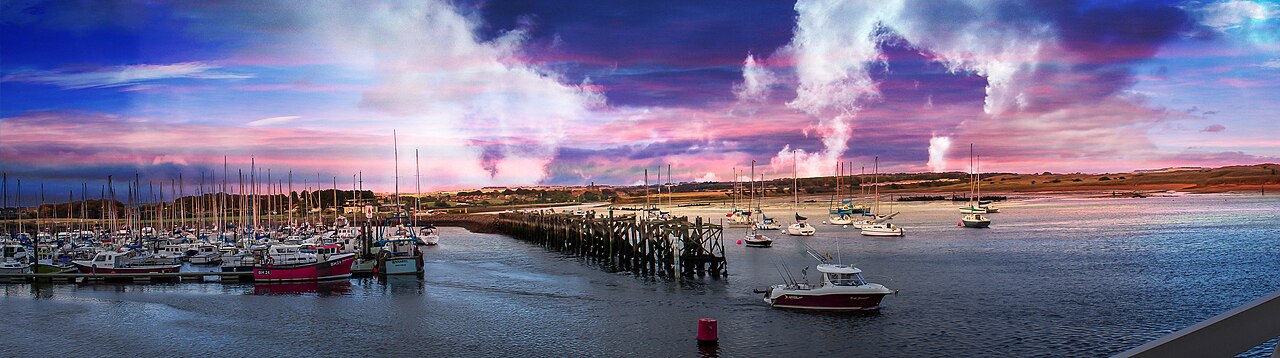
Most visitors booking holiday cottages Holy Island arrive via the A1. The only road access is a tidal causeway, 1.1 miles long, open roughly twice a day when the tide drops low enough. Safe crossing times are published by Northumberland County Council and change daily — do not estimate. A refuge box sits mid-causeway for drivers who miscalculate; it gets used every season. The general rule: allow at least an hour either side of the published safe window.
Once across: the island is 3 miles long and 1.5 miles wide. The village is at the south end. Parking is at the harbour end; everything else is on foot.
Lindisfarne Priory and the History
St Aidan, 635 AD. The monastery he founded here became the most important centre of early Christianity in northern England within a generation. The Lindisfarne Gospels — produced on this island around 715 AD by a monk named Eadfrith — are in the British Library now; the priory keeps a replica and the full context of where they were made.
793 AD. Vikings. The raid on Lindisfarne that year is in most histories as the opening chapter of the Viking Age in England. The monks eventually left — carrying St Cuthbert’s remains with them.
What’s standing now is Norman, built centuries after. English Heritage manages it. The small museum earns a longer visit than most people give it.
Lindisfarne Castle and the Winery
The castle at the island’s east end is an artillery fort from 1550, dramatically remodelled in 1903 by Edwin Lutyens for Edward Hudson, founder of Country Life magazine. Hudson used it as a retreat; Lutyens gave it the compact, purposeful interior that’s now listed both inside and out. The views from the upper battery are good in any weather and excellent in low winter light.
The Lindisfarne Winery sits in the village. Mead made here in the tradition of the island’s monastic heritage — tastings available, bottles to take away. The mead is genuinely produced on the island.
Wildlife
Another reason holiday cottages Holy Island book out early: the wildlife. Grey seals are the main event October through December — pupping season, mothers and pups on the beaches in numbers. Present year-round, but this is when they’re most visible. The nature reserve’s mudflats and saltmarshes hold large populations of waders in autumn: knot, dunlin, grey plover, bar-tailed godwit. The island is an important staging post on north-south migration routes; autumn birding is particularly good.
When Is the Best Time to Visit Holy Island?
May through September for reliable causeway windows and daylight for walking. July and August are busiest — accommodation fills fastest, the village crowds mid-morning, empties by teatime. April and May before school holidays offer good conditions and manageable crowds. October and November for seals: pupping season puts grey seals on the beaches in numbers, the light is often excellent, and the island is genuinely quiet. Winter suits those comfortable with tidal logistics and short days — the atmosphere is unlike anywhere else on the English coast.
Getting to Holy Island
Off the A1 at the Beal turn, 9 miles south of Berwick-upon-Tweed, then 3 miles west to the causeway. Check crossing times before setting off — not on arrival at the causeway. Berwick-upon-Tweed is the nearest mainline station: East Coast Main Line, 45 minutes from Edinburgh, 3 hours 30 from King’s Cross. Local taxis run from Berwick. A car is effectively essential for both the causeway crossing and any exploration of the wider area.
Planning Holiday Cottages Holy Island — What to Know
Booking holiday cottages Holy Island requires more planning than most UK coastal breaks. The tidal causeway means you cannot arrive or leave whenever you choose — your travel times must align with the published crossing windows, which change daily. Build in extra time either side; the published “safe” window includes a margin, but the recommendation is to cross at least 45 minutes before it closes.
Accommodation types range from stone cottages in the village to converted outbuildings on the island’s farmland. Most sleep two to four people. The larger properties sleep six to eight and are the ones that book out first for school holidays. A handful are dog-friendly with direct access to the coastal paths. The island has no shops selling anything beyond basics — bring what you need for the first day.
Mobile signal is limited on Holy Island. Broadband varies by property. If reliable connectivity is essential, check with the letting agent before booking. The pub, The Crown and Anchor, takes food orders; booking ahead in summer is advised.
Holiday Cottages Holy Island — Frequently Asked Questions
Can you stay overnight on Holy Island (Lindisfarne)?
Overnight stays on Holy Island are possible, though accommodation is limited — the island has a very small permanent population and a handful of holiday cottages and B&Bs. August fills months in advance. The payoff: coaches leave by around 5pm, after which the island goes quiet. The priory and castle in the evening are a genuinely different experience from the mid-afternoon version. Book ahead — well ahead for summer.
How do you check the tide times to cross to Holy Island by car?
Safe crossing times for the Holy Island causeway are published by Northumberland County Council at northumberland.gov.uk. The schedule changes daily with the tides and is updated regularly — do not rely on previous visits or general tide tables. The published times include a margin, but the recommendation is to cross at least an hour before the safe window closes. A refuge box on the causeway provides temporary shelter for drivers caught by a rising tide. It gets used every season.
Is Holy Island good for a family holiday?
Holy Island works well for families prepared for the tidal logistics and comfortable with an island that prioritises quiet over activity. The priory and castle are genuinely engaging for older children with an interest in history. Beaches and tidal pools for younger ones. Seal-watching in autumn is the sort of thing children remember. The village has a café, a pub, and a shop. Most families who stay once come back.
Are there dog-friendly cottages on Holy Island?
Dog-friendly holiday cottages on Holy Island are available, and the island suits dogs well. The beaches carry no seasonal access restrictions, and the coastal paths around the nature reserve are open to dogs on leads. Seal pupping season — October through December — means keeping dogs well back from the beaches where seals haul up. Natural England guidance is worth checking before a winter visit.
What can you do on Holy Island for a long weekend?
Three days on Holy Island covers the main sites without rushing. Lindisfarne Priory and its museum take a half day properly; the castle and its Lutyens interior take another couple of hours. Coastal paths fill a morning — the Straight Lonnen north, the beach walk to Snook Point. An evening at the pub once the car parks have emptied. Wildlife visitors should allow time for the mudflat birds in autumn, or the seal beaches in winter. Both earn it.
Holiday Cottages Holy Island — Nearby Bases
Holiday cottages Holy Island are ideal for exploring a wider stretch of Northumberland coastline. Bamburgh is 14 miles south, with its castle directly above the beach — one of the most photographed in England. Seahouses, 9 miles south, is the departure point for boat trips to the Farne Islands (puffins, grey seals, terns). Berwick-upon-Tweed is 13 miles north — mainline station, good food, and the most complete set of Elizabethan town walls in England.
If availability is short for holiday cottages Holy Island — not unusual in peak season — Seahouses and Bamburgh are strong alternatives with similar coastal character and easier access. Both are covered on this site. Alnwick, 24 miles south, is worth a half-day from any of these bases: the castle, the garden, and Barter Books (one of the largest secondhand bookshops in the UK) are all in a compact area.
Within the island itself, walking is the main activity once the main sites have been covered. The Straight Lonnen north leads to the Snook, a tidal peninsula at the island’s north end, usually quiet even on busy days. The coastal path west takes you past the lime kilns — 18th century, still photogenic — and along the shoreline with views back to the castle. The Emmanuel Head navigation marker at the island’s east end marks a short walk from the village.
Guests staying in holiday cottages Holy Island typically spend two to four days. Long weekenders usually do: priory and museum on arrival day; castle and coastal walk on day two; Farne Islands boat trip from Seahouses on day three (weather-permitting). Day four, if time allows, is best spent at Bamburgh or Alnwick before heading back.
Holiday Cottages Holy Island — Booking Tips and Practical Notes

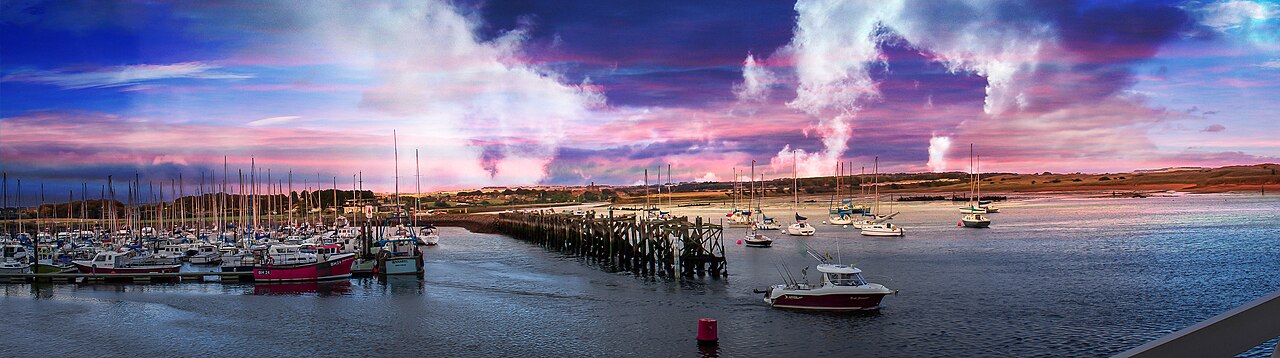
Holiday cottages Holy Island book out faster than almost any comparable coastal location in Northumberland. With fewer than fifteen self-catering properties on the entire island, summer demand substantially outpaces supply. The practical notes below help avoid common problems.
Booking windows for holiday cottages Holy Island: for August, the recommendation from most letting agents covering the island is to book eight to twelve months in advance. For June and July, six months is typical. Off-season weeks — November through March — tend to remain available on shorter notice, and the island in winter has its own appeal: fewer visitors, seal pupping season through December, and the priory in frost or mist rather than August crowds.
Access planning for holiday cottages Holy Island is more involved than for most UK destinations. The tidal causeway operates on a twice-daily cycle. Most holiday cottages Holy Island agents include causeway crossing times in their arrival information, but these change daily and the published schedule is advisory, not absolute. Build in margin.
Vehicle access: the causeway is suitable for standard cars and normal vans. High-sided vehicles and motorcycles can be affected by crosswinds in exposed sections. Parking on Holy Island itself is pay-and-display at the harbour; guests staying in holiday cottages Holy Island generally have a parking arrangement through their property — confirm this at booking.
Provisions: holiday cottages Holy Island guests should stock up on the mainland before crossing. There is one pub (The Ship Inn), a café, and a small selection of shops in the village. The nearest full supermarkets are at Berwick-upon-Tweed (12 miles north) or in Alnwick (20 miles south). Most holiday cottages Holy Island are equipped with full kitchens specifically because the dining options are limited.
Dog-friendly holiday cottages Holy Island: several properties accept dogs. Note that much of the National Nature Reserve surrounding the island has seasonal access restrictions to protect nesting birds between April and July. Dog-walking is generally fine on the beach and village areas throughout the year.
More Holiday Cottages in Northumbria Northumberland
Holiday cottages Holy Island are just one option in this region.
Not just Holy Island — Northumberland has dozens of locations worth exploring, from Bamburgh’s castle beach to Seahouses’ puffin boats and the market town of Alnwick.